Edition
Real News Antigua & Barbuda

CARICOM Moves to Standardise EV Charging Infrastructure as Electric Vehicle Uptake Accelerates Across the Region

Editorial Staff
Editorial StaffReal News Editorial Team
3 min read
ShareXFacebookWhatsApp
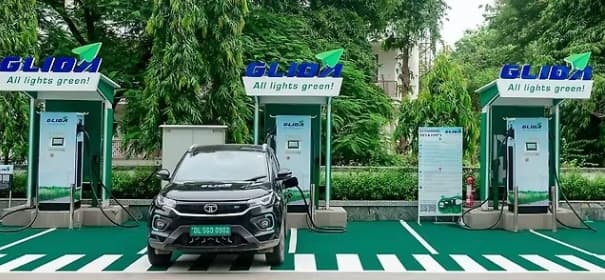
ev charging station

As electric vehicles become an increasingly common sight on Caribbean roads, regional officials are turning their attention to a critical question: how to ensure that an EV charged in one CARICOM territory can be charged in any other — safely, reliably, and according to common standards.

The charging infrastructure for EVs in the region came under focus during a webinar held by the CARICOM Secretariat to discuss the standardisation and harmonisation of charging facilities to ensure interoperability. Safety measures, charger installation requirements, and inspection procedures were among the areas identified as critical to harmonising electric vehicle charging infrastructure across the Caribbean Community.

Participants shared experiences and sought more information on the EV landscape in the region.

The Guyana Experience

Dr. Soren E. Maloney, Director of Ziklag Consulting Group Company Limited, delivered the feature presentation, focusing on Guyana's experience with EV charging. He pointed out that while there is acceleration of EV uptake across CARICOM, Member States are at different stages in developing standards for charging infrastructure.

He highlighted the challenges countries face, such as small technical workforces, limited budgets, and insufficient capacity to develop standards and regulatory capacity. "Interoperability therefore is a challenge," he said.

"You Can't Cut and Paste Standards"

One of the central messages of the presentation was a caution against simply importing regulatory frameworks designed for other markets.


Advertisement

House Ad — Web Design (Peak)

Reflecting on the Guyana experience, Dr. Maloney highlighted the importance of institutional and process flow clarity, stakeholder feedback, embedding capacity-building, and developing standards that reflect local conditions, market maturity, and scale. "You can't cut and paste standards from other regions or countries," he advised, warning that standards should not lock countries into a particular technology.

Why It Matters for Antigua and Barbuda

The regional harmonisation effort carries direct relevance for Antigua and Barbuda, where electric vehicle adoption has been steadily growing, supported by government incentives and the increasing availability of EV models through local dealerships. As the twin-island nation builds out its own charging network, alignment with CARICOM-wide standards would ensure that the infrastructure investments being made today remain compatible with the regional market of tomorrow — protecting consumers, supporting tourism mobility, and avoiding the costly fragmentation that has plagued other regions' EV rollouts.

For small island states with limited technical and financial resources, the case for cooperation is compelling: shared standards mean shared expertise, reduced duplication of effort, and a unified regional market that is more attractive to manufacturers, investors, and infrastructure providers alike.

The webinar forms part of the CARICOM Secretariat's broader work programme on energy transition and sustainable transport across the Community.


Comments

Leave a comment

Comments are moderated before appearing.

Weekly Digest

Stay ahead of every story that matters.

Every Monday morning — the week's most important news from Antigua & Barbuda and the Caribbean, delivered straight to your inbox.

  • Breaking news & top stories
  • Politics, crime, business & sport
  • Free — unsubscribe any time

No spam. One email per week. Unsubscribe any time.

About the author

Editorial Staff
Editorial Staff

Real News Editorial Team

Real News Antigua and Barbuda editorial team.

Join our WhatsApp