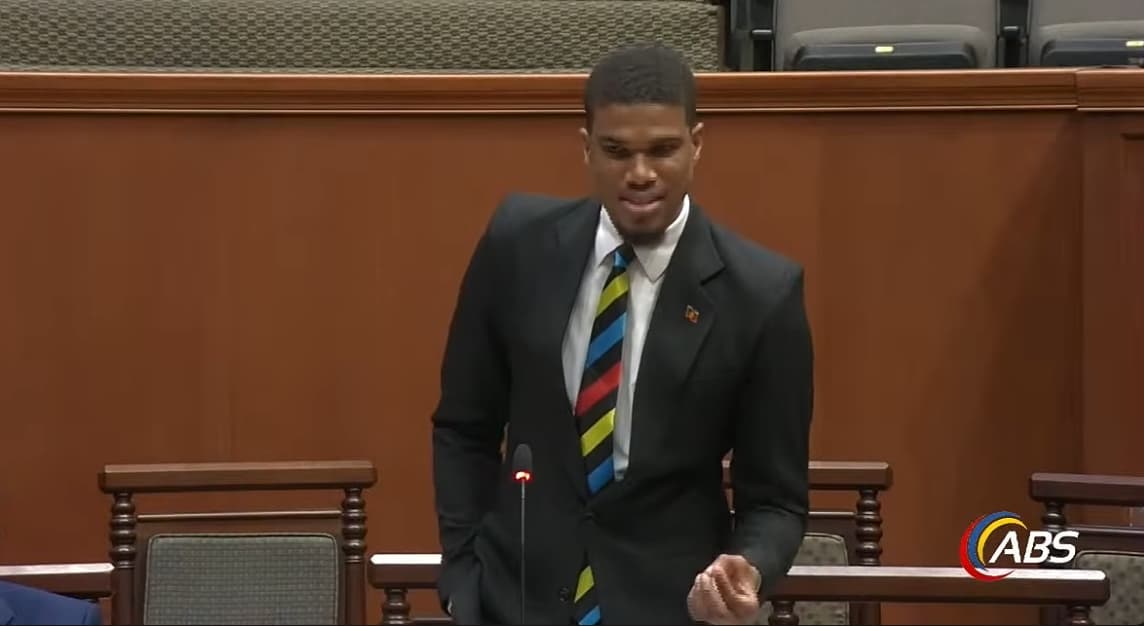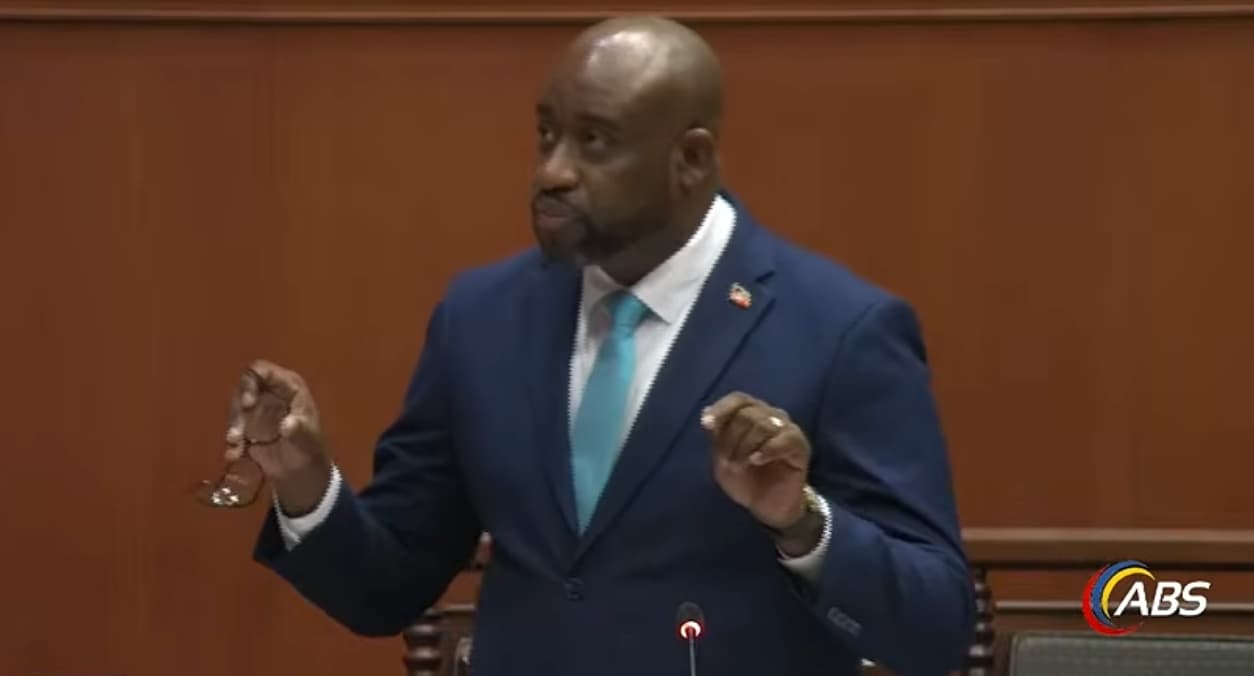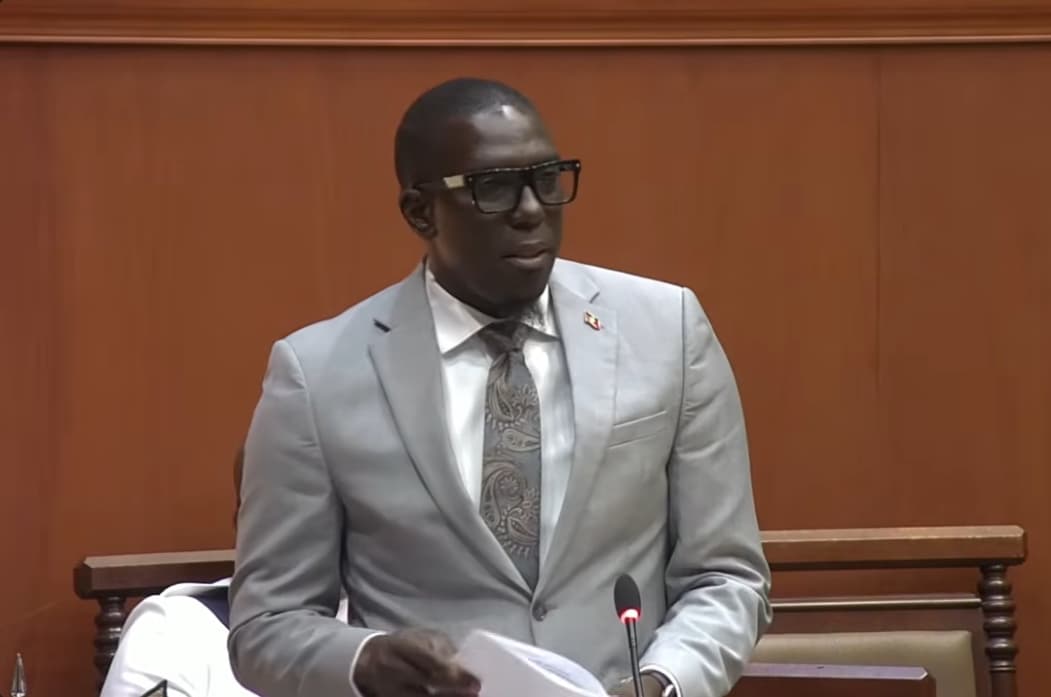
Leader of the Opposition Hon. Jamale Pringle gave his support to the Sexual Offences (Amendment) Bill 2026 during the afternoon session of the September 28 sitting of the House of Representatives, telling members there is no one in Antigua and Barbuda who "can object to a bill such as this." But, the United Progressive Party (UPP) leader warned that Parliament is "dancing around an issue that we have to address as a nation" and used his contribution to launch a call, later taken up on both sides of the House and by the Attorney General himself, for the age of sexual consent to be raised from 16 to 18.
The Bill, moved by Attorney General Sir Steadroy 'Cutie' Benjamin, amends the Sexual Offences Act 1995 to impose dramatically heavier penalties on those who prey on children: life imprisonment for sexual intercourse with a minor under 16 — whether or not the child "consented" or the offender believed the child to be older — life for incest committed against a person under 18, and 25 years where the victim is an adult; 20 years for indecent assault, up from five; and 30 years for serious indecency. It also makes "recent complaint" evidence admissible to corroborate a victim's account, requires judges to warn juries that a delayed report does not mean an allegation is false, and sets no time limit on when a complaint may be made. The Attorney General told the House the amendments would be paired with a sex offenders register and a policy of notifying communities two weeks before a convicted predator's release.
The legislation was passed by the House without amendment.
"You Can Consent to Sex, but You Can't Vote"
MP Pringle's central argument was that the new penalties, however severe, leave untouched a contradiction at the heart of the law. "The time has come," he said, "for us to move this age of consent from16... to 18. Put it in alignment with when you are able to vote."
"I cannot see that you're giving consent for sex, but you can't give consent to elect a government to work in your interest," the Opposition Leader argued. "And you can give consent to sex and start a family, but you cannot... hold a driver's license."
He framed the issue as one of parental authority as much as child protection. Fathers hauled before the court for child support, he noted, must maintain their children "until they finish school" — and "school doesn't mean secondary school; school means even their tertiary education." Yet at 16, he said, the same law tells a child, "You can go and give consent to have sex, bring a baby, and there's nothing to it."
"You find at 16 you're paying child support," he continued, voicing the frustration of parents told by their children, "'Well, I'm 16. You can't tell me what to do, but I still have to provide for you'... when I literally have no control once you reach the age of 16." Raising the age to 18, he argued, would mean "giving the responsibility to the parents until 18 " and would stop children from "being harassed by some predators just simply because they're age 16." Speaking as a father MP Pringle said, "I have family members. Any responsible Antiguan and Barbudan would support the change."
Government Benches Take Up the Call
In a rare moment of cross-aisle convergence, the proposal was endorsed by speaker after speaker on the government side. Social Transformation Minister Rawdon Turner, whose own harrowing account of more than 200 reported cases of child abuse anchored the afternoon's debate, told the Opposition Leader directly: "I accept your point that maybe we need to start looking at increasing the minimum age from 16 to 18."
Education Minister Daryll Mathew went further: "I support the call by the Leader of the Opposition that we must now... have a conversation about raising the age of consent to 18," he said. "If you can't drive until you're 18, you can't vote until you're 18 — why must you be able to have sex, to start a family, potentially, at 16? " Barbuda MP Trevor Walker called it "a very valid point" deserving examination, even as he recalled that national hero Sir Vere Cornwall Bird Sr. had once insisted the age of consent remain at 16.
Closing the debate, the Attorney General conceded the ground: "There is some merit, I must say, in the suggestion made by the member for All Saints East and St. Luke — perhaps the time has in fact really come," he said, committing the government to "look at whether or not we should raise the age to 18 and all of the ramifications connected with it." Pointing to the voting, contracting and driving ages, he added: "We have to be consistent."