Edition
Real News Antigua & Barbuda

Senator Malaka Parker says a Government that Fails at Crime Prevention & Investigation cannot Blame the Judiciary

Editorial Staff
Editorial StaffReal News Editorial Team
6 min read
ShareXFacebookWhatsApp
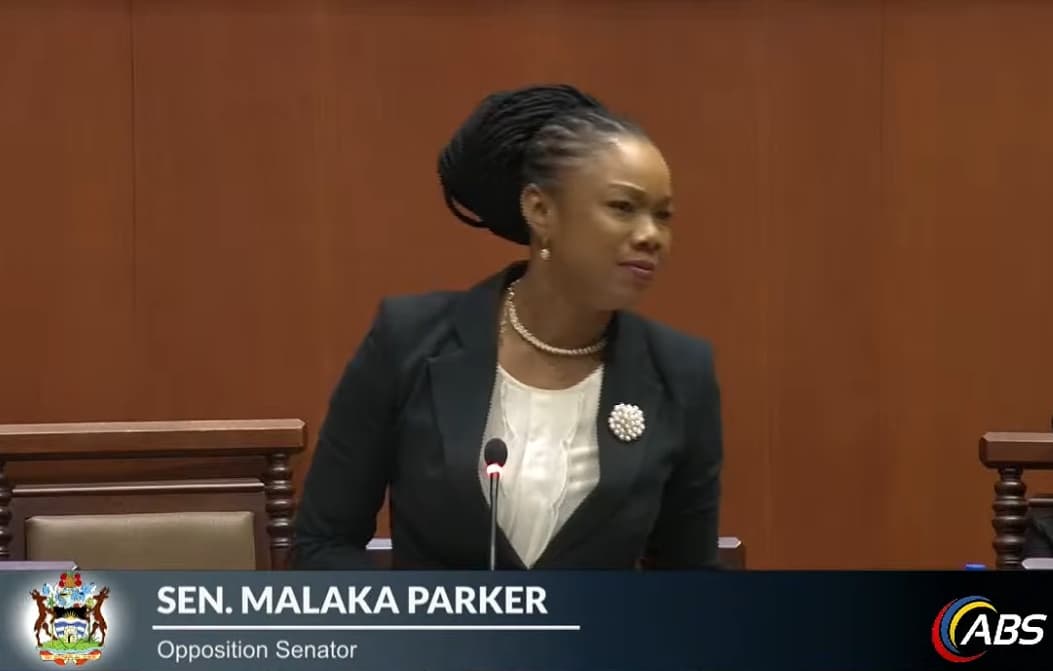
malaka parker talking in parliament in dark green jacket with abs name tag and logo

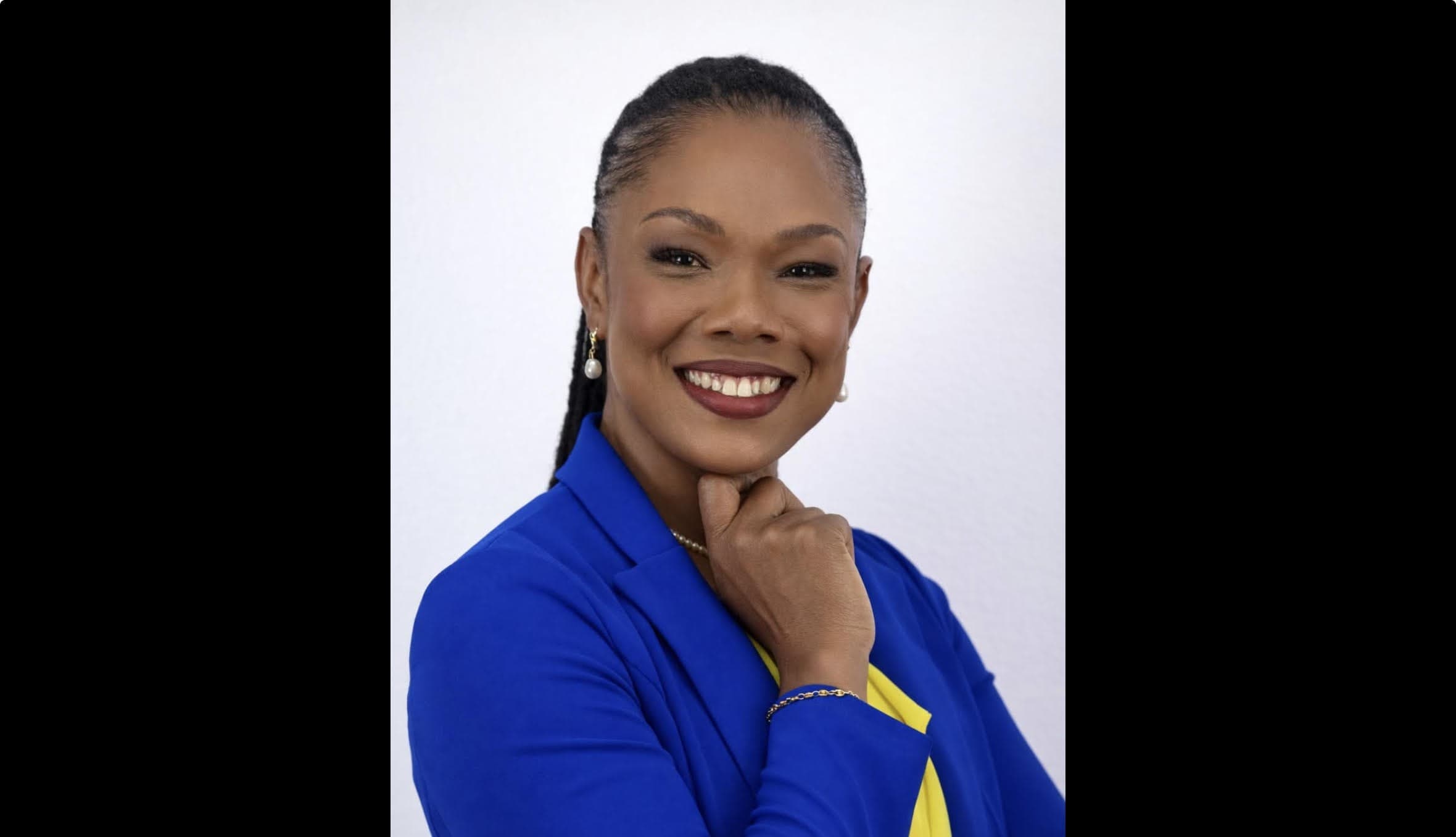
Opposition Senator Malaka Parker made clear from her first breath in Monday afternoon's Senate debate that she holds no sympathy for the gunmen terrorizing the nation. She then spent the balance of her contribution refusing to let the Firearms (Amendment) Bill 2026 stand in for the leadership she says the Antigua and Barbuda Labour Party (ABLP) 13-year government has failed to provide.

"I want to say from the outset, Madame President, I have no sympathy for any gun-wielding criminal within this two-by-four state of Antigua and Barbuda," the senator declared. "I hold no brief for anyone who would wish to do another citizen harm."

But context, she insisted, matters. "The circumstances under which we are meeting here today matter. And I want to say that the primary reason we are here is because I believe the Prime Minister had a point to prove," she charged, pointing to what she called an "unnecessary back and forth" that Prime Minister Gaston Browne "started with the judiciary, both local and abroad, because of careless blustering and language that was very inflammatory."

"That type of incendiary language and inflammatory positions — which, by the way, he continued and continues to double down on — should not be the context in which we are meeting to solve these types of issues," she said. "That's how I'm going to start."

The rebuke lands on well-documented ground: the Prime Minister told Parliament last month that there are "crooks and criminals" within the judiciary while conceding, under questioning from Opposition Leader Jamale Pringle, that he has "no evidence to send to anyone" to support the claim.

Where She Agrees

Senator Parker was careful to separate the bill's content from its genesis. "Now, this piece of legislation does a number of things, and I can't say that I disagree with all of them. There are many areas in which I find complete support in terms of what is intended," she told the chamber.

Nor did she dispute the crisis the bill answers. "We may not have exact data and figures, but we have enough anecdotal evidence, Madame President, to see that violent crime, particularly gun-related crime, is on the rise," she said, noting that the testimonies of colleagues across the chamber showed that "none of us has escaped the long reach of the criminal apparatus in this country. Myself included." Her conclusion: "We can all testify to that, and we need action, Madame President."

Crime, she argued, should be the one issue above the fray. "Crime in a small, intimate society like ours in Antigua and Barbuda is supposed to unite us... because I believe we know that crime has no colour," she said — a sentiment that placed her alongside Barbuda MP Trevor Walker, who told the Lower House that crime "has no colour, has no religion" when the bill passed there on 28 September.

Government's Failure in Prevention and Investigation

What Senator Parker would not accept is the framing that lays the crime wave at the judiciary's feet. "This rise in violent crime did not happen overnight," she said. "The numbers were there and the trends were there. And we know that the uptick in gang activity amongst our youth was there. All of it was there and so was this administration, for 13 years of that crawl and that creep. We must also pull the files and the record and examine what has been done and what has not been done, and what would have been the priority areas for this government."



Advertisement

Article mid


She then set out the arithmetic at the heart of her case. "My position is that the government controls at least 90 percent of the apparatus for the criminal justice system in Antigua and Barbuda," she said, describing the judiciary's sentencing function — which several colleagues had already called the last stage of the process — as the exception. "Every other aspect of the criminal justice system in this country is primarily managed by government."

That, she argued, makes the government's chosen scapegoat untenable: "A government cannot fail at the border, fail in terms of staffing and resourcing our police officers... fail in terms of having interventions at a school and community level for our young people... fail in providing the apparatuses, the instruments to apprehend criminals and to solve crime... We cannot have a government that fails in all of these categories and then turn and blame the judiciary. It can't work."

"And then we come to parliament and we're supposed to applaud punishment as a response. Not going to do that. Not going to do that, Madame President."

"Plaster on a Cancer"

The senator acknowledged the national mood that makes tough-sounding legislation attractive. "I'm going to admit that we are living in a state of fear. People are afraid in this country. Terrified. And so they're looking for answers, Madame President," she said. "But we cannot just be putting plaster on a cancer. It's not going to work. It is medically, biologically impossible."

Her diagnosis of the bill's politics was blunt: "It cannot be that, just because people want to beat their chest... to appear as though they're doing something, we choose a scapegoat, and then we come and replace actual leadership with legislation. Because that is what I see happening here today, unfortunately."

"Just to come and increase punishment and act as though we are tough on crime is a fallacy," she said. "It is not true."

Grounding her stance in personal stakes, the senator told the chamber: "I live here. I raise my children here. I love this place... I will fight tooth and nail for this country and for us to live in a peaceful and ordered society. And so we have to hold the government accountable for what it has not done."

She closed her contribution where she began, with the quarrel she says produced the bill: "Punish serious crimes, particularly serious firearms crimes. But this, I do not accept, is the plaster or the magic bullet to settle a dispute that the Prime Minister started unnecessarily with the judiciary."

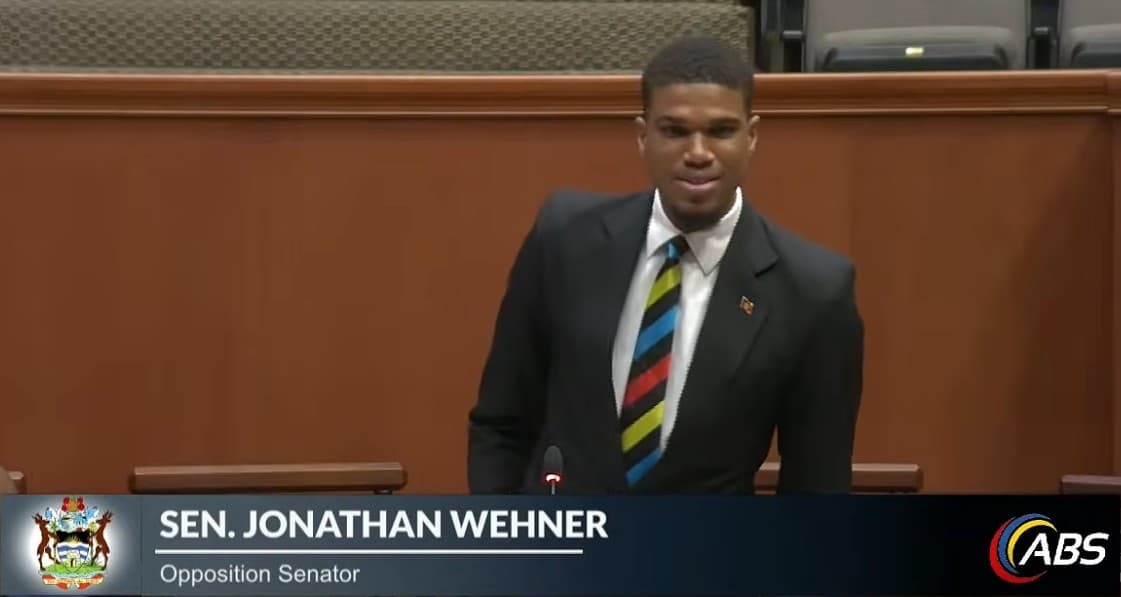
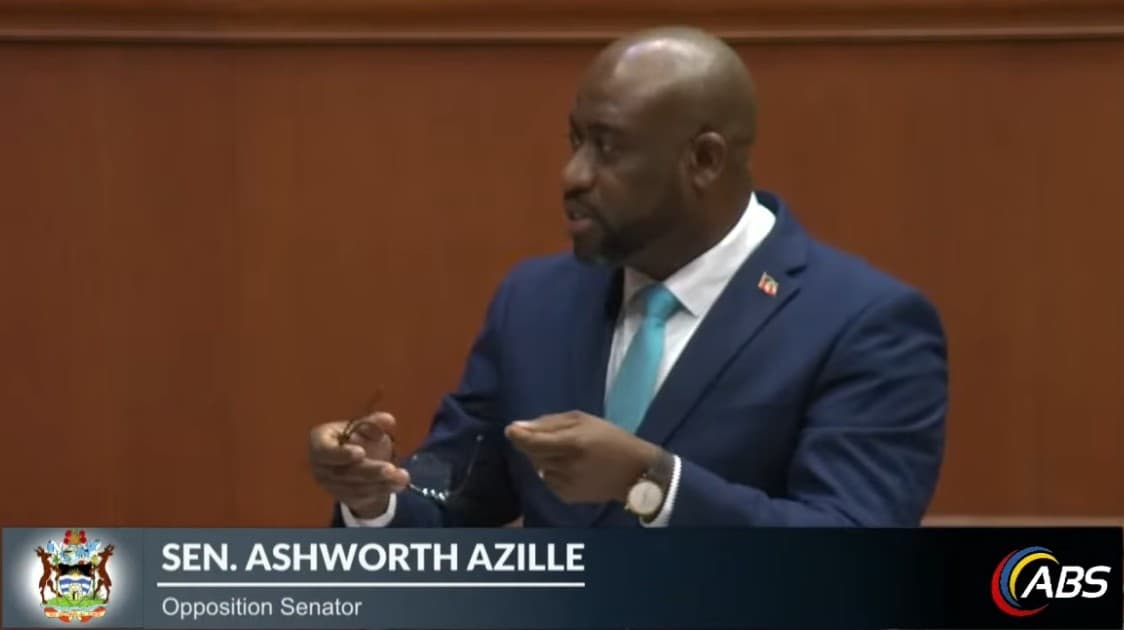
Her position slots into what has become the opposition's consistent posture across both houses — support for punishing serious gun crime, skepticism that penalties alone will be the answer — a position voiced earlier in Monday's sitting by Senators Ashworth Azille and Jonathan Wehner, and in the Lower House by Opposition Leader Pringle, who warned that "this alone is not the saving grace of Antigua and Barbuda."

Comments

Leave a comment

Comments are moderated before appearing.

Weekly Digest

Stay ahead of every story that matters.

Every Monday morning — the week's most important news from Antigua & Barbuda and the Caribbean, delivered straight to your inbox.

  • ✓Breaking news & top stories
  • ✓Politics, crime, business & sport
  • ✓Free — unsubscribe any time

No spam. One email per week. Unsubscribe any time.

or
Join our WhatsApp group

About the author

Editorial Staff
Editorial Staff

Real News Editorial Team

Real News Antigua and Barbuda editorial team.

Advertisement

Leaderboard ad

Related articles

Advertisement

M Banner
Join our WhatsApp