Edition
Real News Antigua & Barbuda

Opposition Senators Reject Compulsory Acquisition of Land - Citing Lack of Transparency & Missing Critical Information

Editorial Staff
Editorial StaffReal News Editorial Team
4 min read
ShareXFacebookWhatsApp
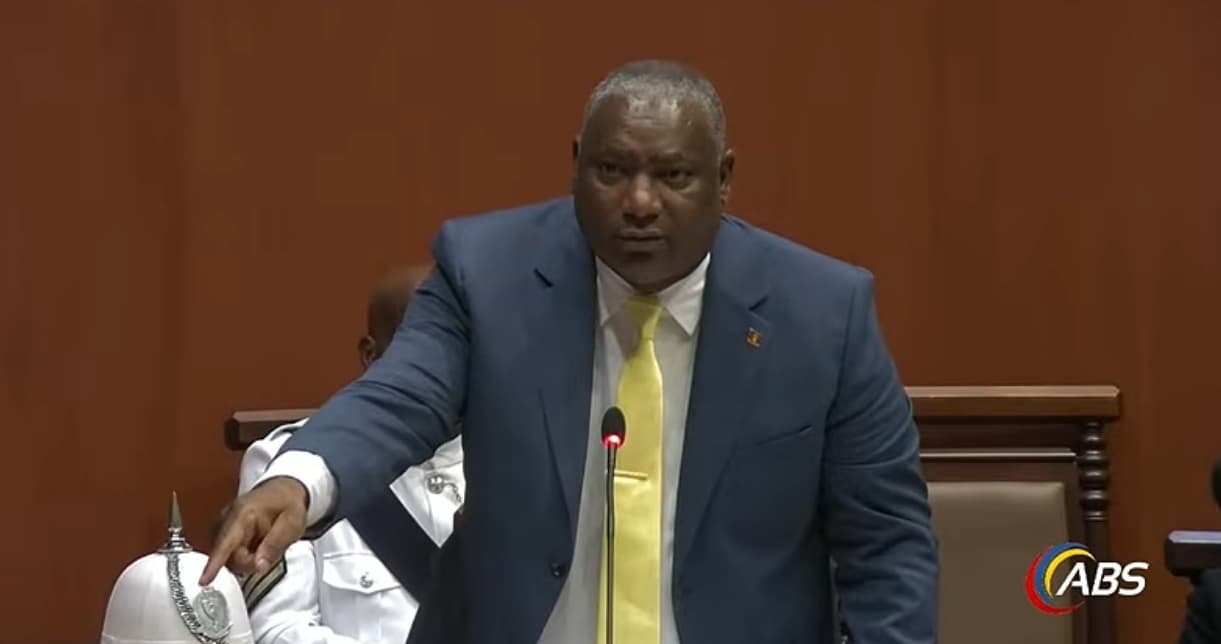
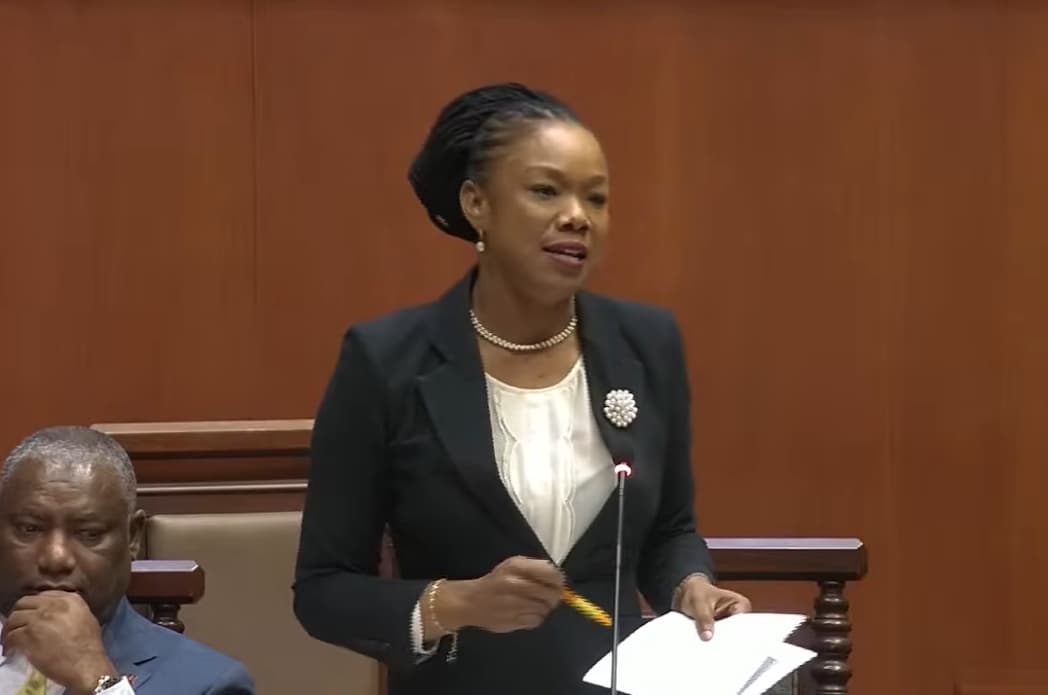
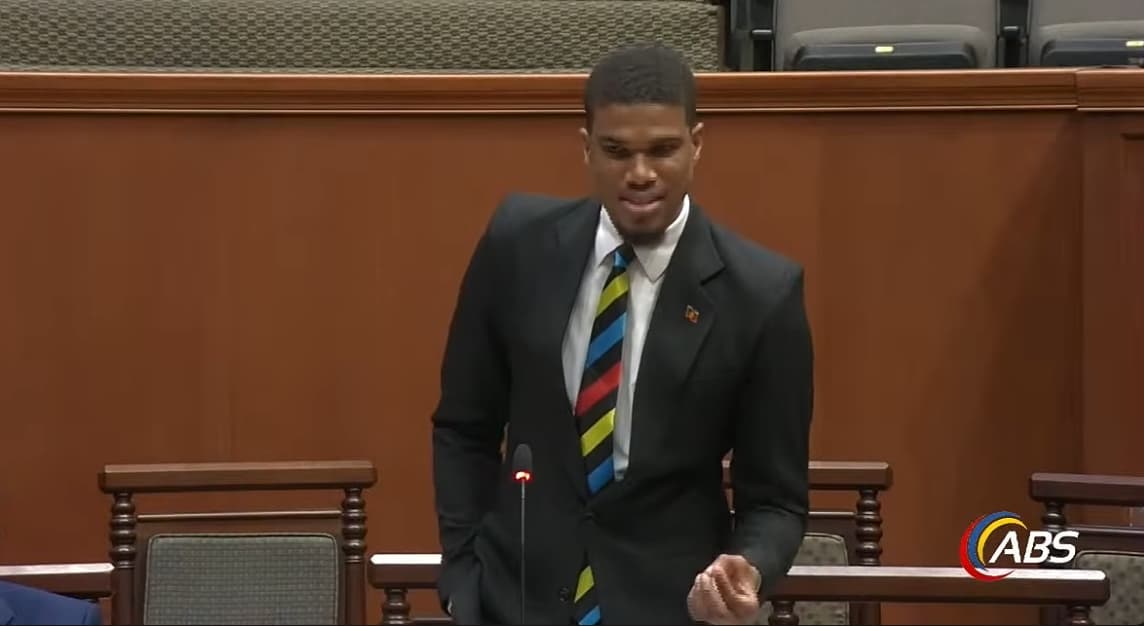
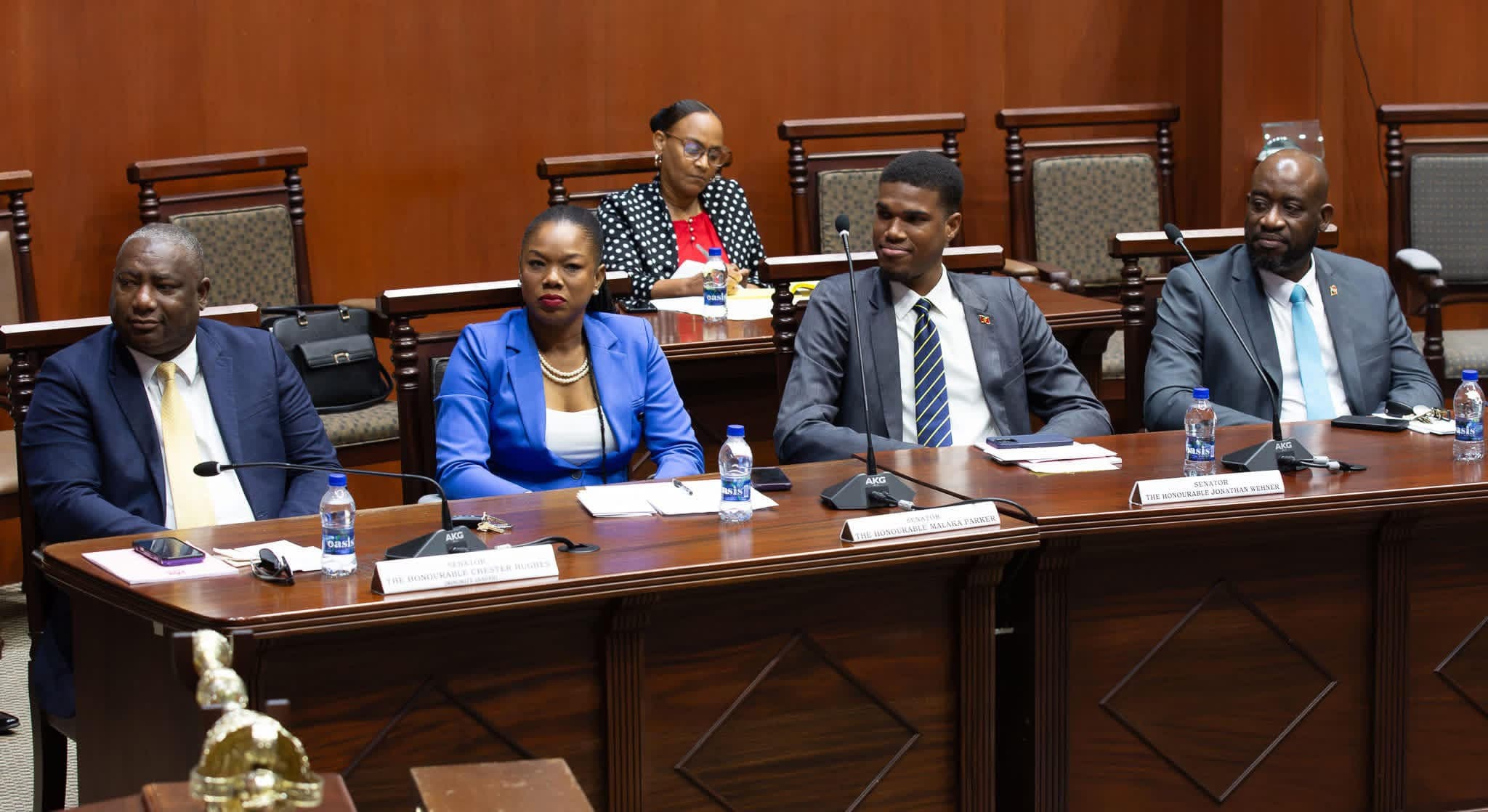
Opposition Senators inside parliament

Opposition senators have rejected the government's resolution seeking approval to compulsorily acquire private property adjacent to the former Deluxe Cinema site for the National Performing Arts Centre — not because they oppose the project, but because Parliament was asked to authorise one of the most intrusive constitutional powers the State possesses without being given the basic information needed to do so responsibly.

Support for the Centre, Not for the Process

Senator Malaka Parker, speaking on behalf of the opposition during the Senate debate, was careful to draw the distinction clearly. The opposition does not oppose compulsory acquisition where it is genuinely necessary for a legitimate public purpose, she said. Nor does it oppose the construction of the Performing Arts Centre itself.

What it opposes is being asked to approve the seizure of a citizen's property on trust alone.

"Compulsory acquisition is one of the most significant powers the State can exercise. It interferes with a citizen's constitutional right to property," Parker said. "Parliament cannot be expected to approve such a Resolution on trust alone. Government must provide the facts."

What Parliament Was Not Told

The resolution seeks authority to compulsorily acquire approximately 0.05 acres of land to facilitate the construction of a secure access and exit route serving the National Performing Arts Centre. But Senator Parker laid out a catalogue of questions the government left unanswered.

Why has the government resorted to compulsory acquisition rather than voluntary purchase? Were negotiations with the landowner undertaken, and if so, why did they fail? Were alternative access routes considered? Why was this land not identified and acquired during the original planning stages of the project? What compensation will be paid to the landowner? What is the total financial cost of the acquisition, including compensation, legal costs, and associated works? And what impact will the acquisition have on the remaining property?

None of those questions were answered in the documentation presented to Parliament.

No Supporting Documentation Provided

The opposition also flagged the absence of any supporting technical documentation — no traffic impact assessment, no engineering studies, no planning reports, no explanation of why this particular parcel was selected over alternatives, no details on the compensation methodology, and no estimate of the overall cost to the public purse.



Advertisement

Article mid


"We are being asked to authorise the compulsory acquisition of private property without knowing what it will cost the people of Antigua and Barbuda," Parker said. "That is not good governance. Parliament has both a constitutional and fiduciary duty to ensure that public money is spent responsibly."

A Planning Failure Disguised as Necessity?

Parker posed a question that will resonate with anyone who has watched the Performing Arts Centre project take shape on High Street. A national performing arts centre requires access roads, emergency access, fire routes, and traffic management from the very outset. If the government is only now acquiring land to provide essential access to a building already under construction, the public is entitled to ask whether that reflects proper planning — or whether taxpayers are once again paying for avoidable planning deficiencies.

The question strikes at a broader pattern. The High Street area surrounding the construction site has already been subject to parking restrictions to accommodate construction vehicles, and businesses in the vicinity have been affected by the works for months. That a compulsory acquisition is now required to provide basic access to the facility suggests that fundamental infrastructure planning was either incomplete or not undertaken at all when the project was conceived.

Transparency Strengthens, Not Delays

Parker concluded with a restatement of principle that framed the opposition's vote. "Supporting national development does not mean abandoning parliamentary scrutiny. Public projects deserve public confidence, and public confidence is built through transparency, accountability and full disclosure."

She reaffirmed that the opposition recognises compulsory acquisition may sometimes be necessary, but insisted such powers must always be exercised as a measure of last resort — and only after Parliament has been given sufficient information to satisfy itself that the acquisition is necessary, proportionate, and in the public interest.

"The issue before Parliament was never whether the Performing Arts Centre is important," Parker said. "The issue is whether Parliament was given enough information to responsibly authorise the compulsory acquisition of a citizen's property. In our view, it was not."

The resolution passed the Senate with the government's majority. The opposition's objections are now part of the parliamentary record.


Comments

Leave a comment

Comments are moderated before appearing.

Weekly Digest

Stay ahead of every story that matters.

Every Monday morning — the week's most important news from Antigua & Barbuda and the Caribbean, delivered straight to your inbox.

  • Breaking news & top stories
  • Politics, crime, business & sport
  • Free — unsubscribe any time

No spam. One email per week. Unsubscribe any time.

or
Join our WhatsApp group

About the author

Editorial Staff
Editorial Staff

Real News Editorial Team

Real News Antigua and Barbuda editorial team.

Advertisement

Leaderboard ad

Related articles

Advertisement

M Banner
Join our WhatsApp