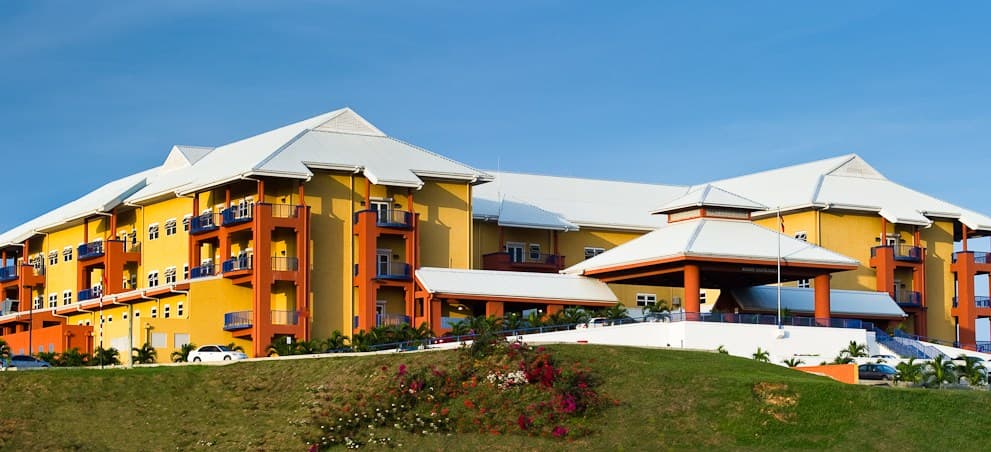
After several years of waiting, delayed reopenings and broken promises this Saturday, the people most directly affected by the prolonged closure of the Cancer Centre Eastern Caribbean will make their presence felt, taking their frustration and their pain to the very doorstep of the shuttered facility on Queen Elizabeth Highway.
Saturday’s Action
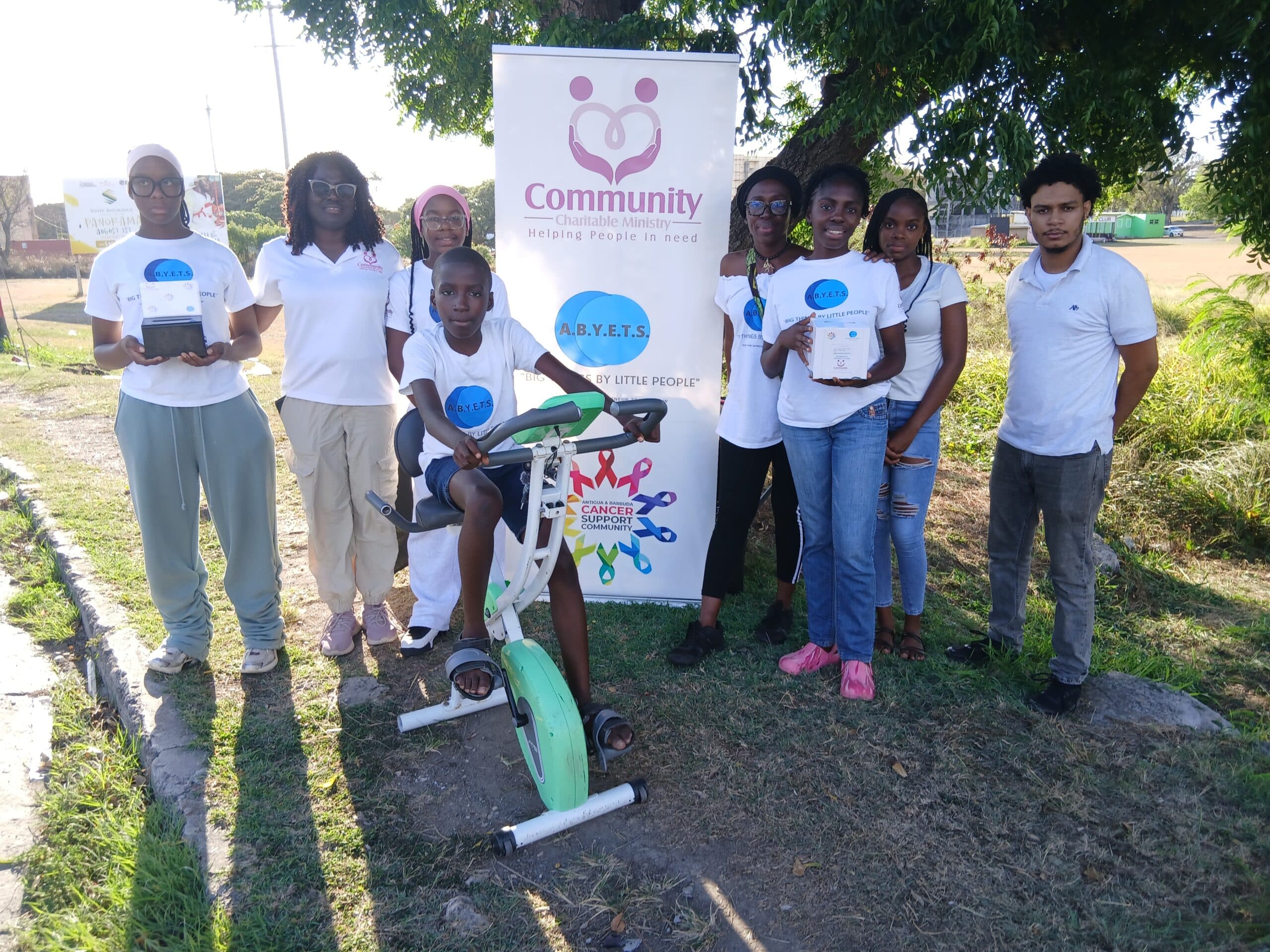
The Community Charitable Ministry (CCM) is organising a public gathering on Saturday, June 27, near the Cancer Centre on Queen Elizabeth Highway, calling for the immediate reopening of the facility that has been closed since April 2023. The action is intended to raise awareness and encourage support for restoring local cancer treatment services.
“It Is Time to Prioritise Our Health Infrastructure”
Support member of the Antigua and Barbuda Cancer Support Community, Sandra Graham Harrigan — known widely as “Teacher G” — laid out plainly why she believes Saturday’s gathering is necessary. “We all know someone who has been affected by cancer. It is a battle that no one should have to fight alone and certainly not without local accessible care,” she said. “Expecting patients to travel or deal with the stress of limited services during their most vulnerable moments is just not acceptable. It is time to prioritise our health infrastructure.”
She called on the public to amplify the message and maintain pressure on the government. “I’m asking everyone to amplify this message, support the advocacy efforts and let’s keep the pressure on until the Cancer Centre is back open and serving our community. Our lives and our well-being depend on it,” she said.
The Double Trauma of Diagnosis Without Local Care
CCM co-founder Donna Bell spoke with striking directness about what cancer patients in Antigua and Barbuda have actually been enduring since the closure. “How caring are we when after we’re first traumatised with a diagnosis, we’re then traumatised more with a stress message? Treatment not available in Antigua and Barbuda; patient needs to travel,” she said.
Bell mapped out the cascading burdens faced by patients without the means to pay. “Then hold on, for persons who cannot afford treatment, let’s traumatise further. Wait for treatment to be authorised by Medical Benefits. Wait, more trauma. To access treatment overseas, patient needs to fund the passages, accommodations and transportation for themselves and the travelling companion,” she said.
Bell also noted the bitter irony of the closure coinciding with growing awareness of the psychosocial dimension of cancer care. “How ironic is it that now that we are becoming more aware of and are learning to provide the psychosocial element of cancer care, counselling, emotional support, mental support, therapy, the Cancer Centre closes and we can no longer provide the physical, medical element of treatment,” she said. “Our families, our people need, no, they deserve affordable, holistic medical cancer treatment available at home, on our island, in our region.”