A University of the West Indies researcher has joined an international panel of scientists in one of the most significant medical publications of the year — a landmark series on chronic kidney disease published in The Lancet, one of the world's most prestigious medical journals, that warns of a rapidly escalating global health emergency demanding urgent and coordinated action.
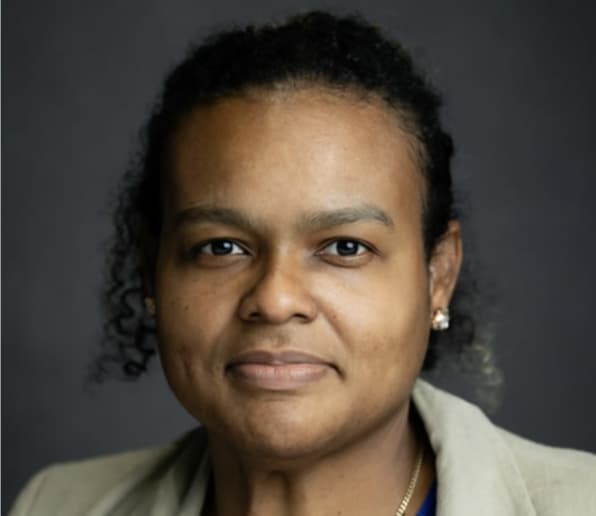
Dr Lori-Ann Fisher, a Consultant Nephrologist, Intensivist, and Lecturer at the Epidemiology Research Unit of the Caribbean Institute for Health Research at UWI, is among the international experts featured in the landmark series, which was led by Dr Jennifer Lees of the University of Glasgow.
A Crisis Hidden in Plain Sight
The series highlights chronic kidney disease as a rapidly escalating global health crisis and calls for urgent improvements in early diagnosis, prevention, and treatment. CKD is currently the ninth leading cause of death globally, affecting an estimated 844 million people worldwide, with projections indicating it could become the fifth leading cause of death by 2040.
Despite its scale, CKD remains significantly underdiagnosed, particularly in regions like the Caribbean where awareness and routine screening remain limited. One of the greatest challenges is that CKD often progresses silently — in its early and moderate stages, individuals rarely experience symptoms, with serious indicators only appearing in the most severe stages, when dialysis or kidney transplantation has often already become necessary.
The research underscores that early diagnosis — using simple, affordable urine and blood tests — is critical to improving outcomes, yet such testing is not consistently implemented across healthcare systems.
The Caribbean's Particular Burden
The publication carries direct and urgent relevance for Antigua and Barbuda and the wider Caribbean, where the burden of kidney disease is both serious and poorly understood. Data from the Jamaica Health and Lifestyle Survey indicate that an estimated 15 percent of Jamaicans are living with CKD, with many already at advanced or high-risk stages of the disease.
The findings land at a significant moment for Antigua and Barbuda, where Health Minister Michael Joseph recently acknowledged the government was still trying to determine what is driving the sharp increase in kidney disease and dialysis patients on the island — one of the most pressing healthcare questions currently facing the nation.
Dr Fisher spoke plainly about what the region needs to do.
"We now have accessible medications that treat kidney disease and reduce progression to kidney failure. In the Caribbean, where access to transplant and dialysis is limited, detecting kidney disease early is crucial to improve outcomes. Investment in strengthening healthcare systems to detect and treat kidney disease is paramount for the health of our nations," Fisher said.