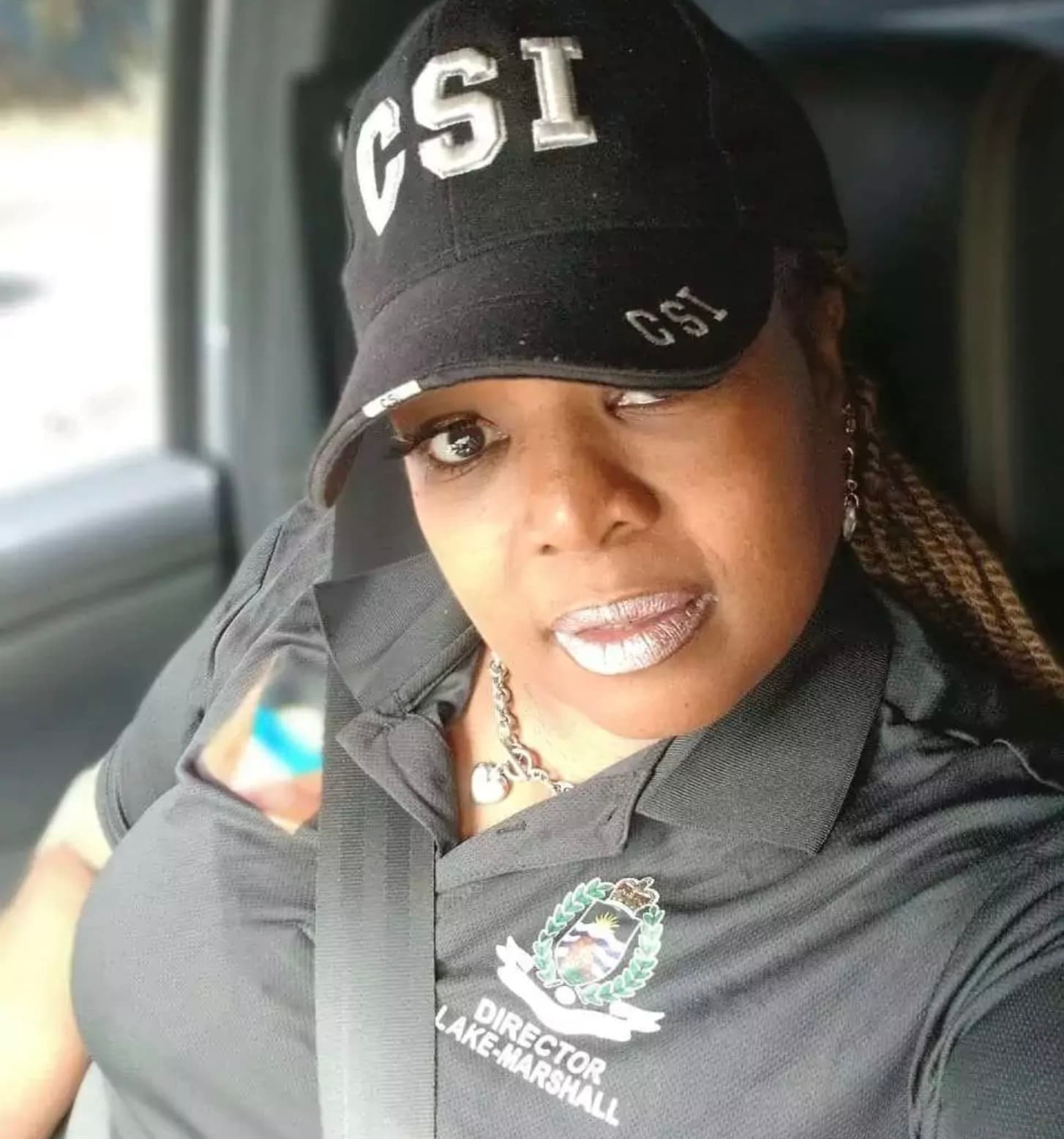
Antigua and Barbuda’s capacity to solve crimes is about to get significantly sharper. The director of the Crime Scene and Evidence Recovery Unit (CERU) has outlined an ambitious modernisation agenda that includes a fingerprint technology upgrade, the development of a national criminal database, and the full commissioning of a forensic laboratory — moves that signal a new chapter in the country’s approach to criminal investigation.
CERU Director LaToya Lake-Marshall made the disclosures in an interview with Observer Media, outlining ongoing investments in forensic technology, data systems, and laboratory development.
The fingerprint upgrade is already in the pipeline and will form part of a broader modernisation push that includes new legislation to support expanded forensic use and data management. “We had it before, and now I’m upgrading it, and that has to do with fingerprints,” she said. “I am an advocate, but I will start pushing for certain policies through the government legislation when it comes to fingerprints.”
Ballistics, Databases and a Coming Forensic Lab
Lake-Marshall’s comments come shortly after the handover of the IBIS BRASSTRAX ballistic identification system, delivered through US-funded support and facilitated by CARICOM IMPACS, which connects Antigua and Barbuda to a regional firearms tracing network.
She also confirmed that work is underway to establish a national criminal database modelled on systems such as the United States’ CODIS system, while a forensic laboratory is being brought fully on stream. “The forensic lab is coming up. They’re being trained. We are equipped,” she said, adding that the Crime Scene Unit and forensic lab leadership are working closely to ensure coordinated operations.
She stopped short of saying fingerprint legislation is imminent, stressing instead that her role is to advocate for the necessary policy framework rather than announce formal government action.
A Unit Restructured and Refocused