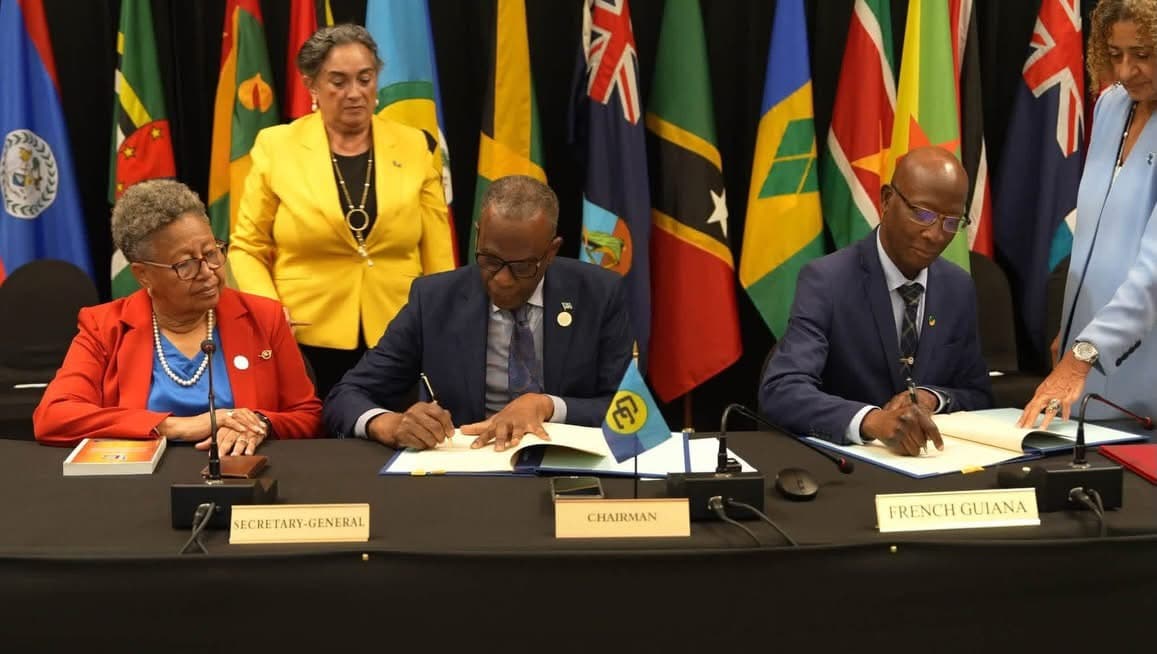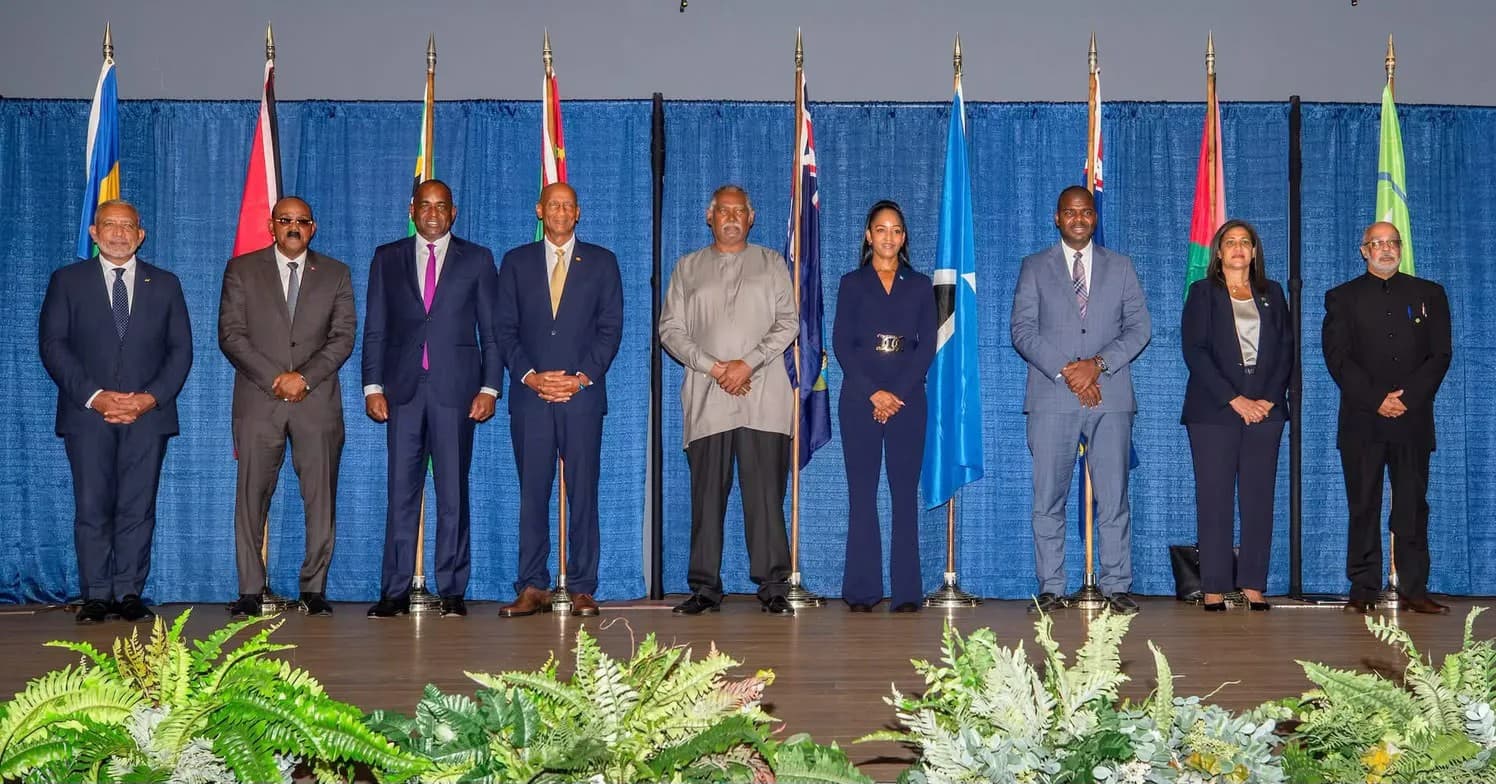
The five Eastern Caribbean nations operating citizenship by investment programmes are meeting today to craft a unified official response to the European Union's demand that they phase out their programmes by June 2028 — a summit convened as the threat to Schengen visa-free access for Caribbean passport holders moves from diplomatic warning to regulatory reality.
Browne Sounds the Alarm in Dominica
Prime Minister Gaston Browne made the disclosure while in Dominica for the ceremony marking the handover of the chairmanship of the Eastern Caribbean Central Bank's Monetary Council, warning that the EU's new Visa Suspension Mechanism would cause "irreparable harm to the economies of the OECS and the welfare of its citizens."
The meeting brings together the governments of Antigua and Barbuda, Dominica, Grenada, St. Kitts and Nevis, and Saint Lucia — the five OECS nations whose CBI programmes are now squarely in Brussels' crosshairs.
What the EU Letter Actually Says
The urgency of today's meeting stems from a letter dated June 25 from European Commissioner Magnus Brunner, addressed to Prime Minister Browne, formally requesting that Antigua and Barbuda phase out its CBI programme by June 1, 2028. Similar letters were sent to all five programme-operating states.
Critically, the letter reveals a fundamental shift in the EU's position. Under the revised Visa Suspension Mechanism, adopted by the EU on December 31, 2025, the mere operation of a citizenship by investment programme — regardless of how well it is managed — now constitutes grounds for suspending visa-free access. The EU's concern is no longer limited to individual cases of inadequate vetting or due diligence failures. The existence of the programme itself is now the problem.
The regulation defines an "investor citizenship scheme" as one granting citizenship in exchange for predetermined payments or investments without a genuine link to the country concerned. A first suspension under the mechanism runs for 12 months and can be extended by a further 24 months if the concerns are not addressed — potentially locking Caribbean nationals out of Schengen access for up to three years.
A Threat to the Entire OECS Economic Model
Browne's warning about irreparable harm is not rhetorical. CBI revenues represent the single most important source of non-tax revenue for several OECS governments. In Antigua and Barbuda alone, the programme has funded hospitals, schools, infrastructure projects, disaster recovery the government's free tertiary education programme.
If the EU follows through and suspends Schengen visa-free access, the commercial appeal of the Antigua and Barbuda passport to prospective CBI applicants would be dramatically diminished. The programme's revenue-generating capacity would decline accordingly — without any replacement income stream having been identified or offered by Brussels.